


| 货号 | 规格 | 价格 | 上海 | 北京 | 珠海 | 重庆 | 武汉 | 购买数量 |
|---|---|---|---|---|---|---|---|---|
T23329-5mg买3赠1 |
99.50% | ¥410.00 |
5 | - | - | - | - |
|
T23329-10mg买3赠1 |
99.50% | ¥560.00 |
5 | - | - | - | - |
|
T23329-25mg促销 |
99.50% | ¥1180.00 ¥944.00 |
4 | - | - | - | - |
|
T23329-100mg促销 |
99.50% | ¥2380.00 ¥1900.00 |
3 | - | - | - | - |
|
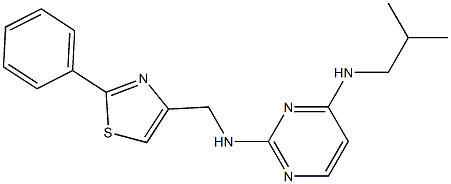
| 产品描述: | KHS101 hydrochloride could selectively induce a neuronal differentiation phenotype and interacts with transforming acidic coiled-coil-containing protein 3 (TACC3). | ||||||||||||||||||||
|---|---|---|---|---|---|---|---|---|---|---|---|---|---|---|---|---|---|---|---|---|---|
| 靶点: | TACC3;FGFR; MicrotubuleAssociated | ||||||||||||||||||||
| 体外研究: | KHS101 以剂量依赖性方式增加贴壁培养的大鼠 NPC 的神经元分化 (EC50=~1 μM)。 KHS101 (1.5-5 μM) 在神经球形成条件下诱导成年大鼠海马体和脑室下区 (SVZ) 衍生的次级神经球中的神经元形成(40-60% TuJ1+ 细胞)。 此外,用 KHS101 处理并在微电极阵列上贴壁培养 12 天的海马 NPC 表现出神经元形态和自发的尖峰活动,因此表明存在功能性、成熟的神经元。 与用载体 [二甲基亚砜 (DMSO)] 处理的细胞相比,KHS101 显著减弱了肿瘤细胞的生长。 TACC3 是啮齿动物神经祖细胞中 KHS101 的已知靶标。 KHS101 已被证明会导致表达 TACC3 的细胞不稳定,从而随着时间的推移降低内源性 TACC3 蛋白水平 | ||||||||||||||||||||
| 体内研究: | 在 KHS101 处理的肿瘤中,肿瘤细胞增殖显著减少 (大约两倍)。与用载体对照处理的肿瘤相比,KHS101 处理的肿瘤显示出细胞死亡升高 (细胞结构减少/固缩增加) 的迹象。KHS101 处理显著减少了波形蛋白阳性 GBM1 细胞的额叶至尾部肿瘤扩张和胼胝体侵袭。还发现携带 GBMX1 肿瘤 (在处理前 2 或 6 周建立) 的动物的存活率因 KHS101 处理方案 10 周而显著增加。由于处理的不良副作用,没有一只小鼠必须从研究中移除。使用连续 KHS101 处理方案直至实验终点的另一项实验也显示携带 GBMX1 的动物的存活率显著增加。对 KHS101 和赋形剂处理的动物进行的组织学终点分析证实,在 KHS101 处理的小鼠中肿瘤大小显著减小 | ||||||||||||||||||||
| 细胞实验: | Rat NPCs were derived and cultured as described previously by others. After hippocampal cell isolation, the number of dissociated cells was determined and ?5 × 10^5 cells were plated in 60-mm uncoated plates. After overnight incubation (37 °C, 5% CO2, and 95% humidity), the medium was changed and the cells were expanded and maintained in an undifferentiated state on polyornithine- (10 μg/mL in water) and laminin-coated (5 μg/mL in PBS;) dishes in DMEM/F12 supplemented with N2 and basic fibroblast growth factor (bFGF, 20 ng/mL;). For KHS101 and shRNA-induction experiments, early passage cells (passaged no more than six times after hippocampal isolation) were trypsinized and plated at a density of ?1,000 cells/cm2 into N2 medium (DMEM/F12 supplemented with N2) containing KHS analogs (e.g., KHS101, KHS92, and NP; SI Text) at different concentrations (0.5–5 μM) or DMSO (0.1%), RA (1–2 μM), BDNF (100 ng/mL), and/or BMP4 (50–100 ng/mL) for 4 d . | ||||||||||||||||||||
| 动物实验: | To investigate the pharmacokinetic properties of KHS101, male Sprague–Dawley rats were administered 3 mg/kg KHS101 i.v. or s.c. One rat was killed per time point at 5 min, 40 min, 1 h, and 3 h after dosing, and samples of blood (100 μL) and whole brains were collected. In a separate study, rats were administered 6 mg/kg KHS101 i.v. or s.c. Five blood samples of 100 μL each were collected serially via a jugular vein catheter at 2 min (i.v. only), 0.5 h (s.c. only), and 1, 3, 7 and 24 h after dosing. Plasma and homogenized whole brain samples were analyzed by liquid chromatography-tandem mass spectrometry (LC-MS/MS). To study neuronal differentiation upon KHS101 administration in vivo, adult Fisher 344 rats (?10 wk old) received s.c. injections of 6 mg/kg KHS101 or vehicle control (5% ethanol in 15% Captisol). All rats received one daily i.p. injection of 200 mg/kg BrdU for 6 consecutive days after the first day. After 14 d, the animals were killed and perfusion fixed, and the brains were removed and subjected | ||||||||||||||||||||
| 参考文献: | 1. Wurdak H, et al. A small molecule accelerates neuronal differentiation in the adult rat. Proc Natl Acad Sci U S A. 2010 Sep 21;107(38):16542-7. 2. Polson ES, et al. KHS101 disrupts energy metabolism in human glioblastoma cells and reduces tumor growth in mice. Sci Transl Med. 2018 Aug 15;10(454). pii: eaar2718. | ||||||||||||||||||||
| 溶解性: | Soluble in DMSO、H2O | ||||||||||||||||||||
| 保存条件: | -20℃ | ||||||||||||||||||||
| 配置溶液浓度参考: |
|
||||||||||||||||||||
| 注意: | 部分产品我司仅能提供部分信息,我司不保证所提供信息的权威性,仅供客户参考交流研究之用。 |


 上海工商
沪公网安备 31011702002021号
上海工商
沪公网安备 31011702002021号
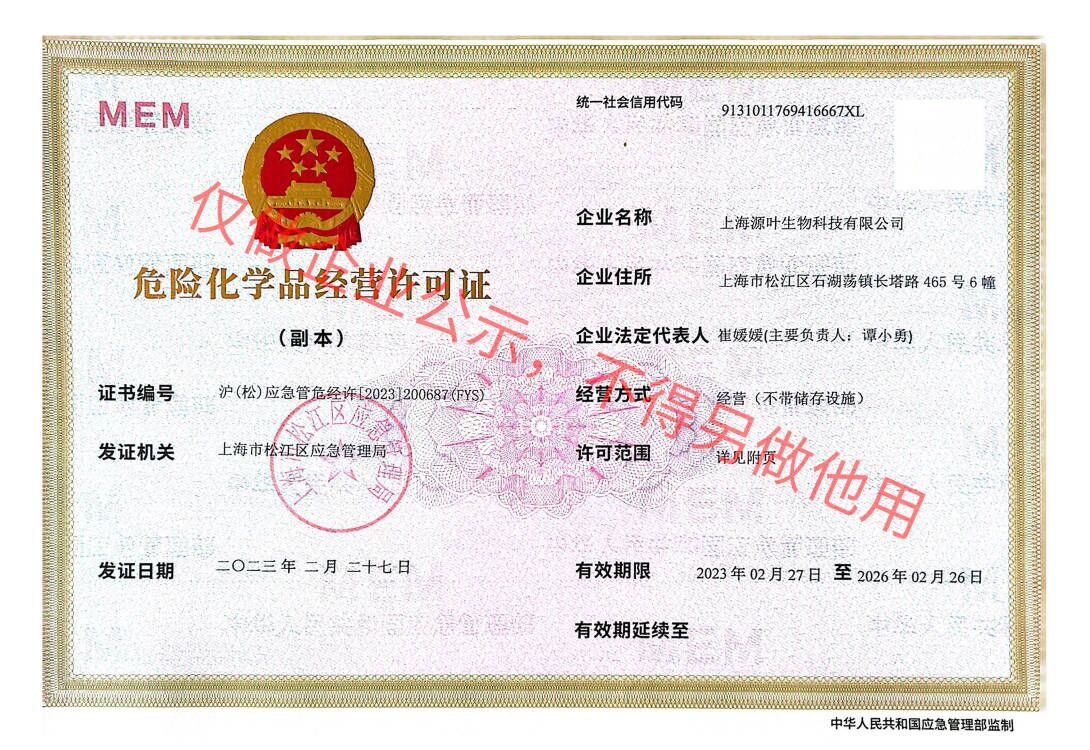 危险品化学品经营许可证(不带存储)
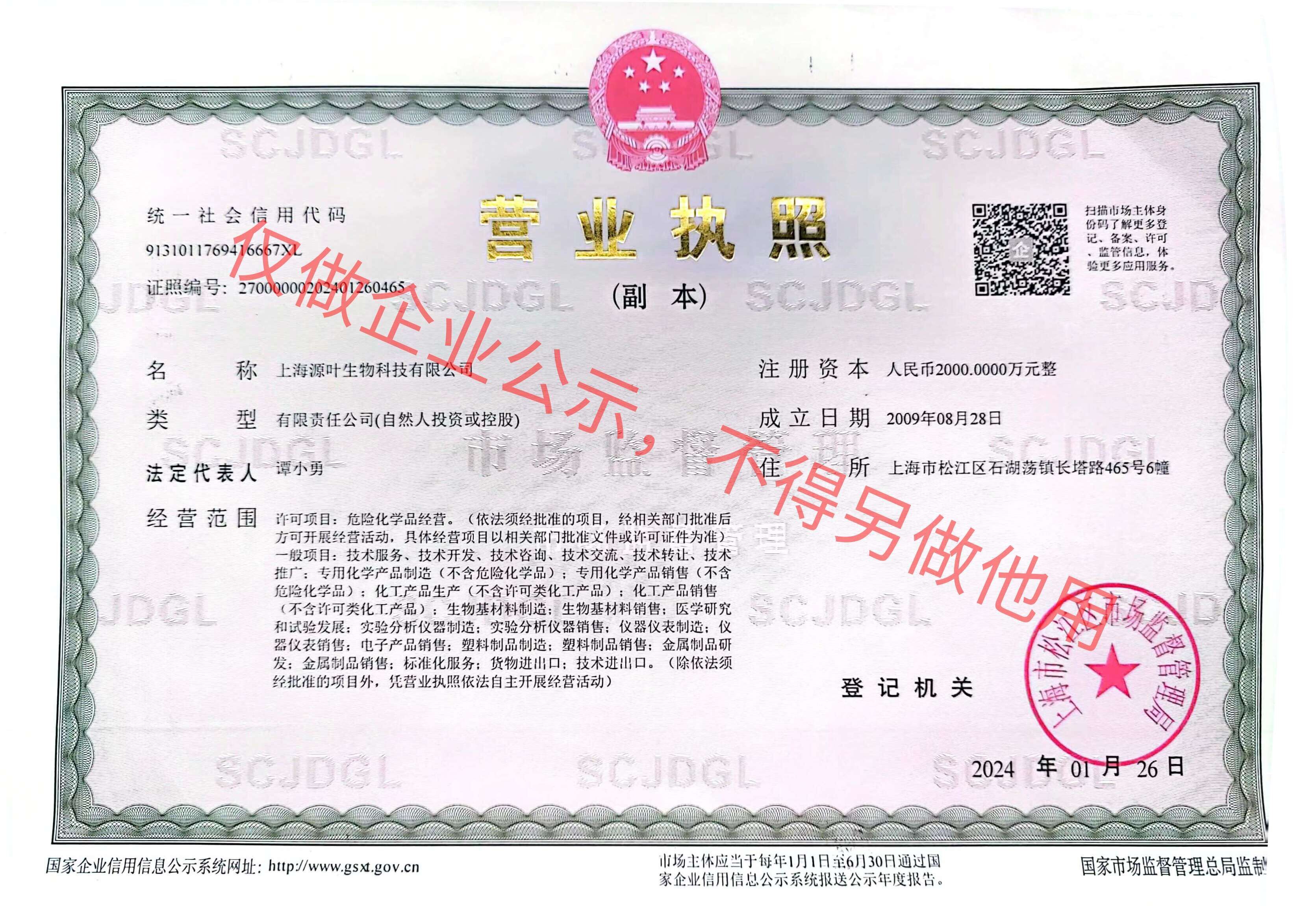 营业执照(三证合一)

 北京
北京