


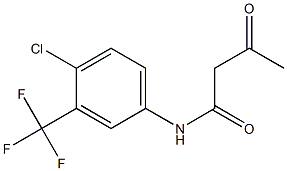
| 货号 | 规格 | 价格 | 上海 | 北京 | 珠海 | 重庆 | 武汉 | 购买数量 |
|---|---|---|---|---|---|---|---|---|
T28166-1ml |
10mM in DMSO | ¥200.00 |
货期:3-5天 | - | - | - | - |
|
| 产品描述: | Fasentin, a potent glucose uptake inhibitor, inhibits GLUT-1/GLUT-4 transporters. Fasentin preferentially inhibits GLUT4 (IC50=68 μM) over GLUT1. Fasentin is a death receptor stimuli (FAS) sensitizer and sensitizes cells to FAS-induced cell death. Fasentin is also a tumor necrosis factor (TNF) apoptosis-inducing ligand sensitizer. Fasentin blocks glucose uptake in cancer cell lines and has anti-angiogenic activity | ||||||||||||||||||||
|---|---|---|---|---|---|---|---|---|---|---|---|---|---|---|---|---|---|---|---|---|---|
| 靶点: | GLUT4:68 μM (IC50);GLUT1 | ||||||||||||||||||||
| 体外研究: | Fasentin (0.1-1000 μM; 72 hours) inhibits endothelial, tumour and fibroblast cell growth without inducing cell death. Fasentin (25-100 μM; 16-24 hours) induces a cell cycle arrest in G0/G1 phase and reduces the cell number in S phase in a dose-dependent manner. Fasentin (50 μM; 16 hours) alters expression of genes associated with glucose deprivation such as AspSyn and PCK-2. Fasentin (15, 30, 80 μM; pretreatment 1 hour) induces glucose deprivation, partially blocks glucose uptake in PPC-1, DU145, and U937 cells. Fasentin (100 μM; 16 hours) does not affect the migratory capability of endothelial cells. Fasentin (25-100 μM; 16 hours) lowers levels of phospho-ERK in HMECs, indicating a partial inhibition on the ERK signalling pathway, even though the effect is not statistically significant. Fasentin does not inhibit the tyrosine kinase activity of VEGFR2. Fasentin interacts with a unique site in the intracellular channel of GLUT1. Cell Viability Assay Cell Line: Three types of endothelial cells ECs (HMEC, human microvascular endothelial cells; HUVEC, human umbilical vein endothelial cells; and BAEC, bovine aortic endothelial cells), three human tumour cell lines (MDA-MB-231 and MCF7 breast carcinoma cells, and HeLa cervix adenocarcinoma cells), and human gingival fibroblasts (HGF) Concentration: 0.1, 1, 10, 100, 1000 μM Incubation Time: 72 hours Result: Inhibited endothelial, tumour and fibroblast cell growth (IC50=26.3-111.2 μM) without inducing cell death. Cell Cycle Analysis Cell Line: | ||||||||||||||||||||
| 参考文献: | 1. Mª Carmen Ocaña, et al. Fasentin diminishes endothelial cell proliferation, differentiation and invasion in a glucose metabolism-independent manner. Sci Rep. 2020 Apr 9;10(1):6132. 2. Tabitha E Wood, et al. A novel inhibitor of glucose uptake sensitizes cells to FAS-induced cell death. Mol Cancer Ther. 2008 Nov;7(11):3546-55. 3. Qin Wu, et al. GLUT1 inhibition blocks growth of RB1-positive triple negative breast cancer. Nat Commun. 2020 Aug 21;11(1):4205. | ||||||||||||||||||||
| 溶解性: | Soluble in DMSO | ||||||||||||||||||||
| 保存条件: | -80℃(运输条件:冰袋低温运输) | ||||||||||||||||||||
| 配置溶液浓度参考: |
|
||||||||||||||||||||
| 注意: | 部分产品我司仅能提供部分信息,我司不保证所提供信息的权威性,仅供客户参考交流研究之用。 |


 上海工商
沪公网安备 31011702002021号
上海工商
沪公网安备 31011702002021号
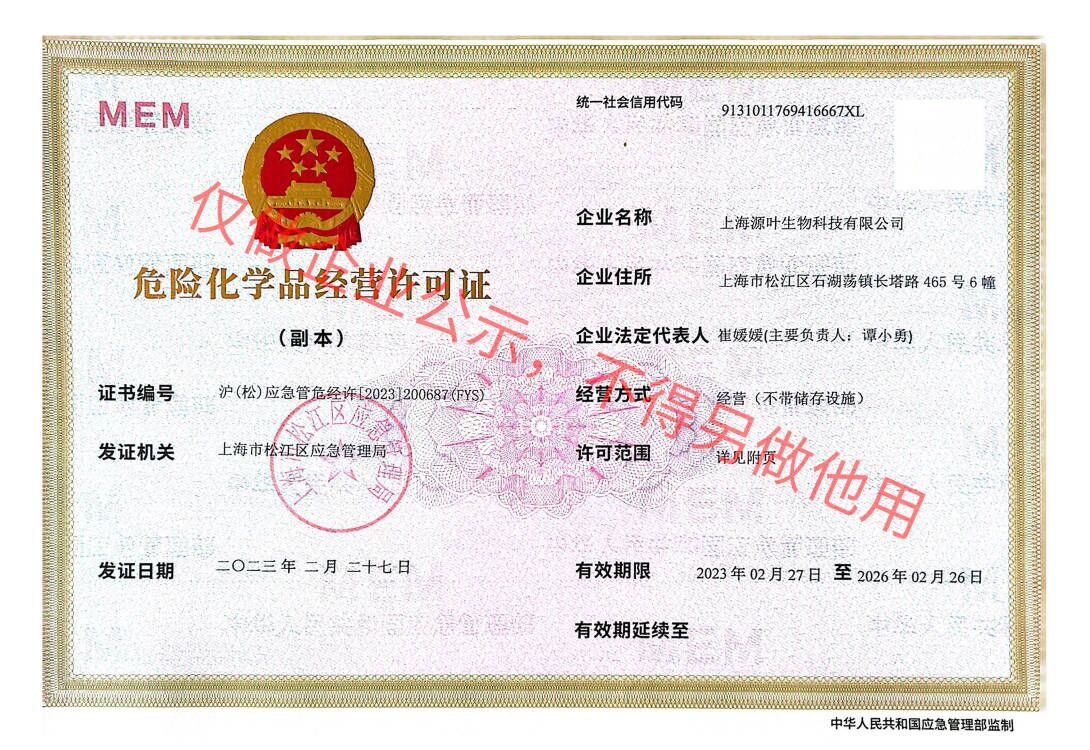 危险品化学品经营许可证(不带存储)
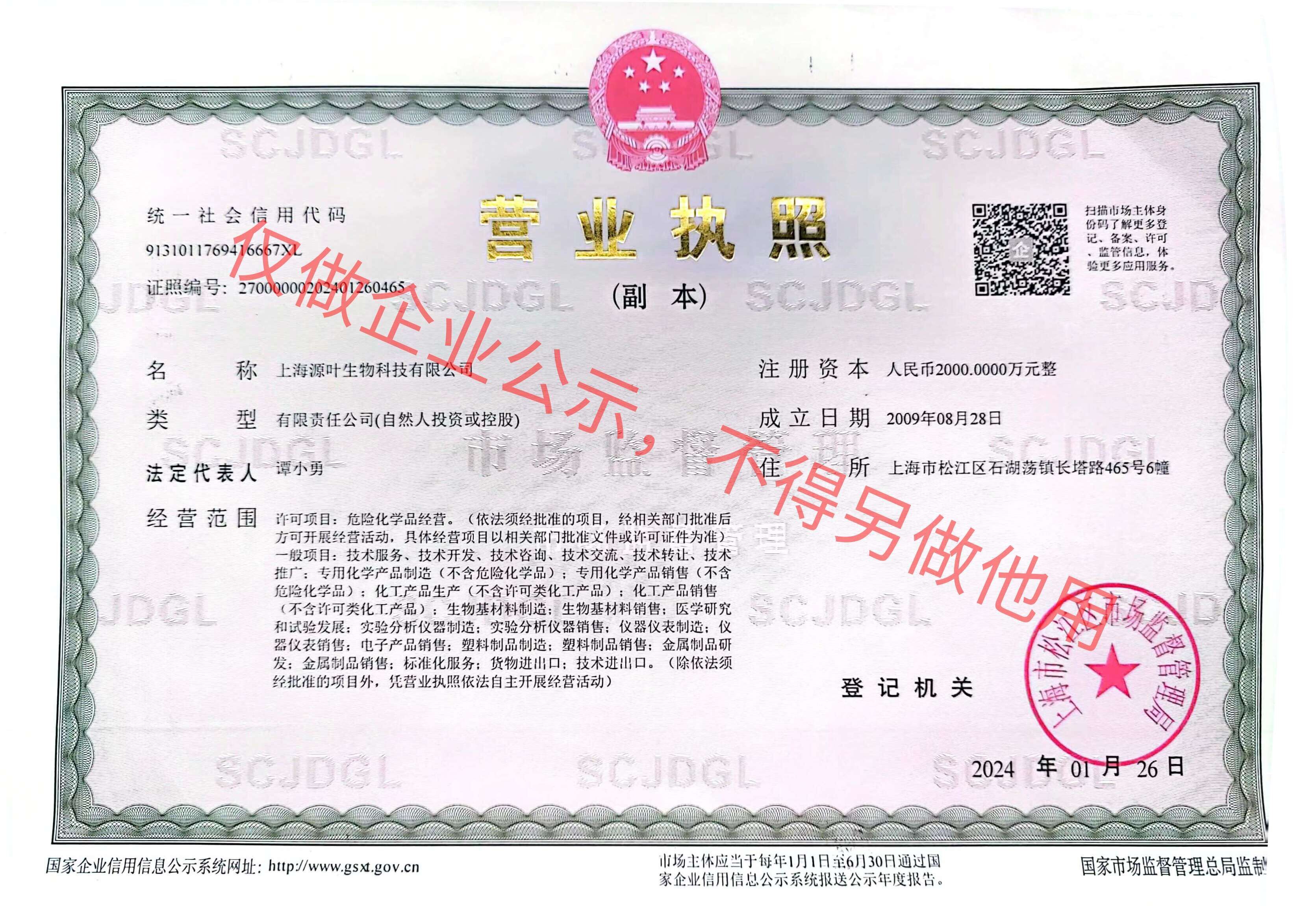 营业执照(三证合一)

