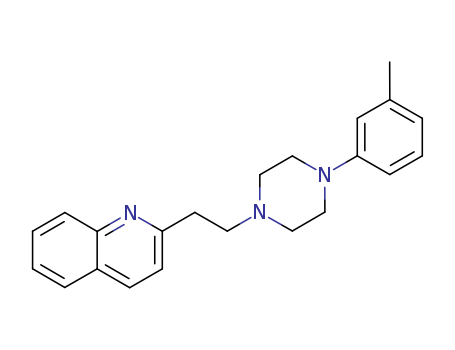
| 产品描述: | Centhaquine (Centhaquin; PMZ-2010) is a novel agent has the potential for treatment of haemorrhagic shock. Centhaquine (Centhaquin; PMZ-2010) can augment cardiac output, reduce systemic vascular resistance in haemorrhagic models |
| 体内研究: |
Centhaquine (Centhaquin) (intravenous injection, 0.01-1.0 mg/kg; intraduodenal administration 1.0-2.5 mg/kg) lowers the blood pressure and reduced the heart rate of anaesthetized and unanaesthetized (decerebrate) cat in a dose-dependent manner. Centhaquine (Centhaquin) (intravertebral arterial injection; 5-10 μg) or by topical application to the exposed ventral surface of medulla or floor of the fourth ventricle causes hypotension and bradycardia as well as reduced the excitability of the vasomotor loci. Centhaquine (Centhaquin;PMZ-2010) (intravenous administration; 0.015mg/kg) can attenuate the deleterious effects of catecholamines, improving both the macro- and microcirculation during CPR. Animal Model: Landrace/Large White piglets Dosage: 0.015mg/kg Administration: Intravenous administration;Adrenaline 0.02mg/kg plus Centhaquin 0.015mg/kg Result: Added to adrenaline improved ROSC rates in a swine model of VF cardiac arrest. |
| 参考文献: |
1. Srimal RC,et al. Pharmacological studies on 2-(2-(4-(3-methylphenyl)-1-piperazinyl)ethyl) quinoline (centhaquin). I. Hypotensive activity.Pharmacol Res. 1990 May-Jun;22(3):319-29. 2. Papalexopoulou K, et al. Centhaquin Effects in a Swine Model of Ventricular Fibrillation: Centhaquin and Cardiac Arrest.Heart Lung Circ. 2017 Aug;26(8):856-863. |
| 溶解性: |
Soluble in DMSO |
| 保存条件: |
-80℃(运输条件:冰袋低温运输) |
| 配置溶液浓度参考: |
|
1mg |
5mg |
10mg |
| 1 mM |
3.017 ml |
15.085 ml |
30.17 ml |
| 5 mM |
0.603 ml |
3.017 ml |
6.034 ml |
| 10 mM |
0.302 ml |
1.508 ml |
3.017 ml |
| 50 mM |
0.06 ml |
0.302 ml |
0.603 ml |
|
| 注意: |
部分产品我司仅能提供部分信息,我司不保证所提供信息的权威性,仅供客户参考交流研究之用。 |




 上海工商
上海工商
 危险品化学品经营许可证(不带存储)
 营业执照(三证合一)

