


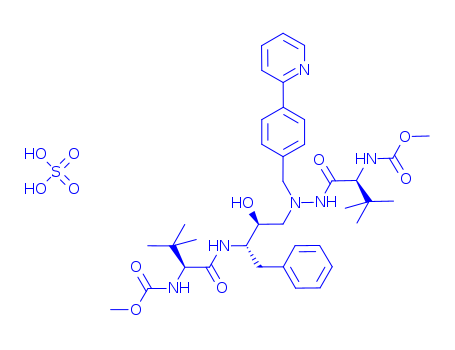
| 货号 | 规格 | 价格 | 上海 | 北京 | 珠海 | 重庆 | 武汉 | 购买数量 |
|---|---|---|---|---|---|---|---|---|
T92405-1ml促销 |
10mM in DMSO | ¥649.00 ¥510.00 |
6 | - | - | - | - |
|
| 靶点: | CYP3;HIV-1 | ||||||||||||||||||||
|---|---|---|---|---|---|---|---|---|---|---|---|---|---|---|---|---|---|---|---|---|---|
| 参考文献: | 1. Havlir DV, et al. Atazanavir: new option for treatment of HIV infection. Clin Infect Dis. 2004 Jun 1;38(11):1599-604. 2. Wood R. Atazanavir: its role in HIV treatment. Expert Rev Anti Infect Ther. 2008 Dec;6(6):785-96. 3. Qi Sun, et al. Bardoxolone and bardoxolone methyl, two Nrf2 activators in clinical trials, inhibit SARS-CoV-2 replication and its 3C-like protease. Signal Transduct Target Ther. 2021 May 29;6(1):212. 4. Zhang G, et al. Long-term oral atazanavir attenuates myocardial infarction-induced cardiac fibrosis. Eur J Pharmacol. 2018 Jun 5;828:97-102. 5. Fukushima K, et al. Effect of serum lipids on the pharmacokinetics of atazanavir in hyperlipidemic rats. Biomed Pharmacother. 2009 Nov;63(9):635-42. 6. Pyrko P, et al. HIV-1 protease inhibitors nelfinavir and atazanavir induce malignant glioma death by triggering endoplasmic reticulum stress. Cancer Res. 2007 Nov 15;67(22):10920-8. 7. Alomar FA, et al. Efavirenz, atazanavir, and ritonavir disrupt sarcoplasmic reticulum Ca2+ homeostasis in skeletal muscles. Antiviral Res. 2021 Mar;187:104975. 8. Robillard KR, et al. Role of P-glycoprotein in the distribution of the HIV protease inhibitor atazanavir in the brain and male genital tract. Antimicrob Agents Chemother. 2014;58(3):1713-22. |
||||||||||||||||||||
| 保存条件: | -80℃(运输条件:冰袋低温运输) | ||||||||||||||||||||
| 配置溶液浓度参考: |
|
||||||||||||||||||||
| 注意: | 部分产品我司仅能提供部分信息,我司不保证所提供信息的权威性,仅供客户参考交流研究之用。 |


 上海工商
沪公网安备 31011702002021号
上海工商
沪公网安备 31011702002021号
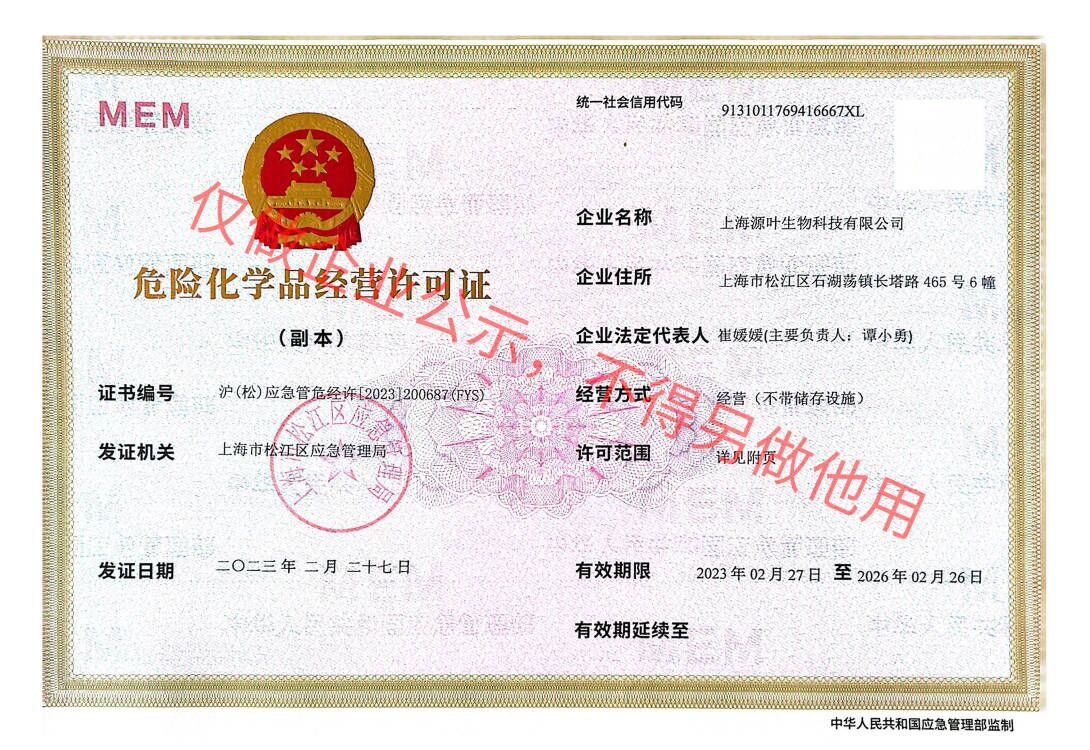 危险品化学品经营许可证(不带存储)
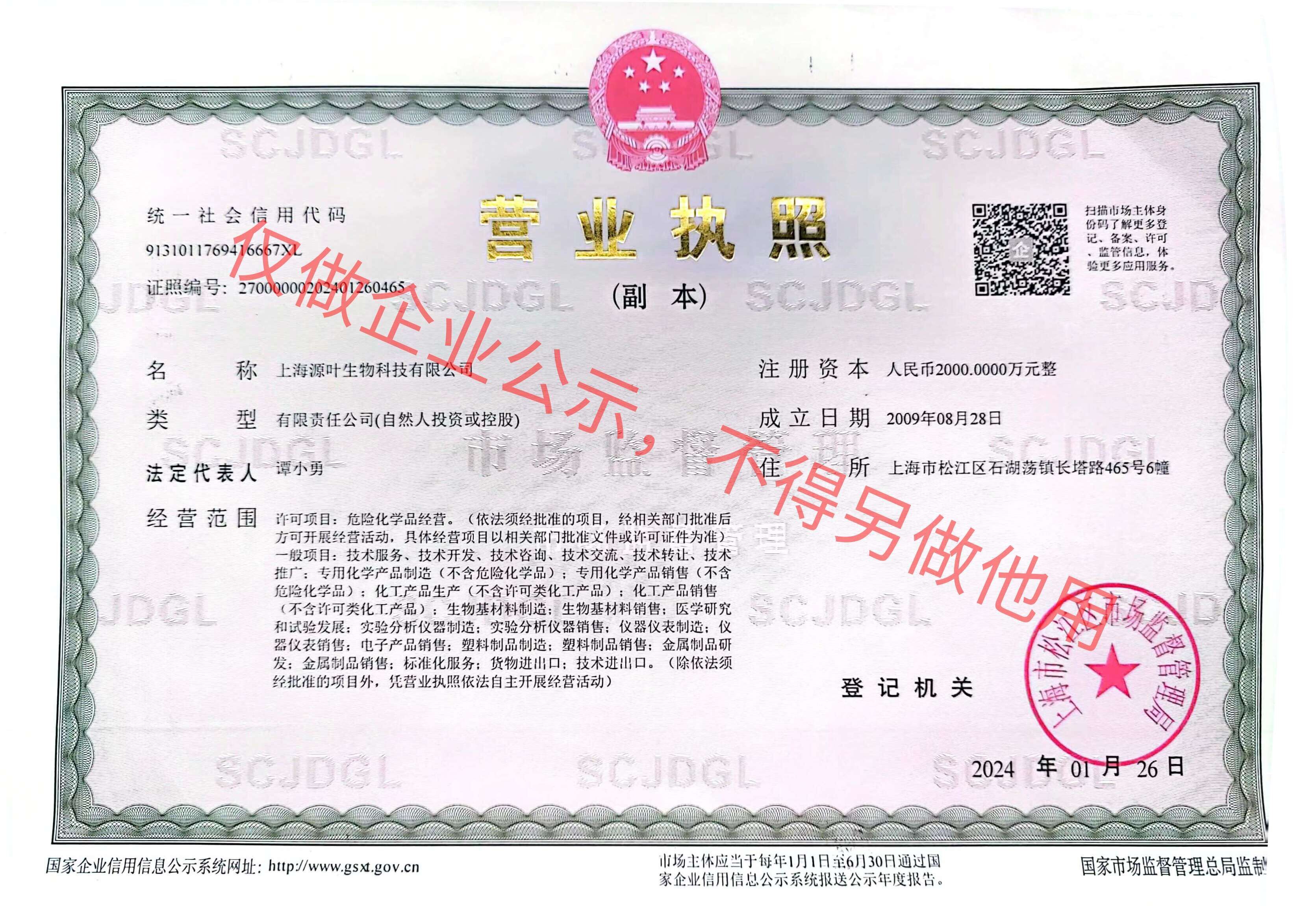 营业执照(三证合一)

 北京
北京