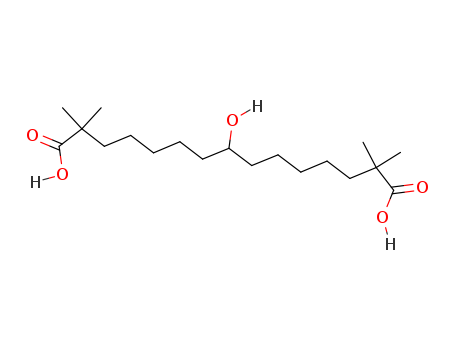
| 产品描述: | 低密度脂蛋白调节剂;LDL Modulators;;InformationETC-1002 ETC-1002 (Bempedoic acid, ESP-55016),also known as Bempedoic acid, is an orally available, once-daily LDL-C lowering small molecule designed to lower elevated levels of LDL-C and to avoid side effects associated with existing LDL-C lowering therapies.ETC-1002 is an activator of hepatic AMP-activated protein kinase (AMPK) . It has potent inhibitory activity against hepatic ATP-citrate lyase (IC50=29 uM).TargetsAMPKIn vitroETC-1002 is a new investigational low density lipoprotein cholesterol (LDL-C)-lowering agent which is a dicarboxylic acid derivative with a novel mechanism of action targeting two hepatic enzymes--adenosine triphosphate-citrate lyase (ACL) and adenosine monophosphate-activated protein kinase (AMPK), inhibiting sterol and fatty acid synthesis and promoting mitochondrial long-chain fatty acid oxidation. It increases levels of AMP-activated protein kinase (AMPK) phosphorylation, reduces activity of MAP kinases and decreases production of proinflammatory cytokines and chemokines. These effects on soluble mediators of inflammation can be significantly abrogated by LKB1 siRNAs, indicating that ETC-1002 activates AMPK and exerts its anti-inflammatory effects via an LKB1-dependent mechanism.In vivoETC-1002 suppresses thioglycollate-induced homing of leukocytes into mouse peritoneal cavity. Similarly, in a mouse model of diet-induced obesity, ETC-1002 restores adipose AMPK activity, reduces JNK phosphorylation, and diminishes expression of macrophage-specific marker 4F/80. ETC-1002 is an inactive prodrug and converted to an active ACL inhibitor(ECT-1002-CoA) by endogenous liver ACS activity in vivo.Cell Research(from reference)Cell lines:Primary rat hepatocytes and differentiated human monocyte-derived macrophages Concentrations:30 μM or 100 μM Incubation Time:12 h |




 上海工商
上海工商
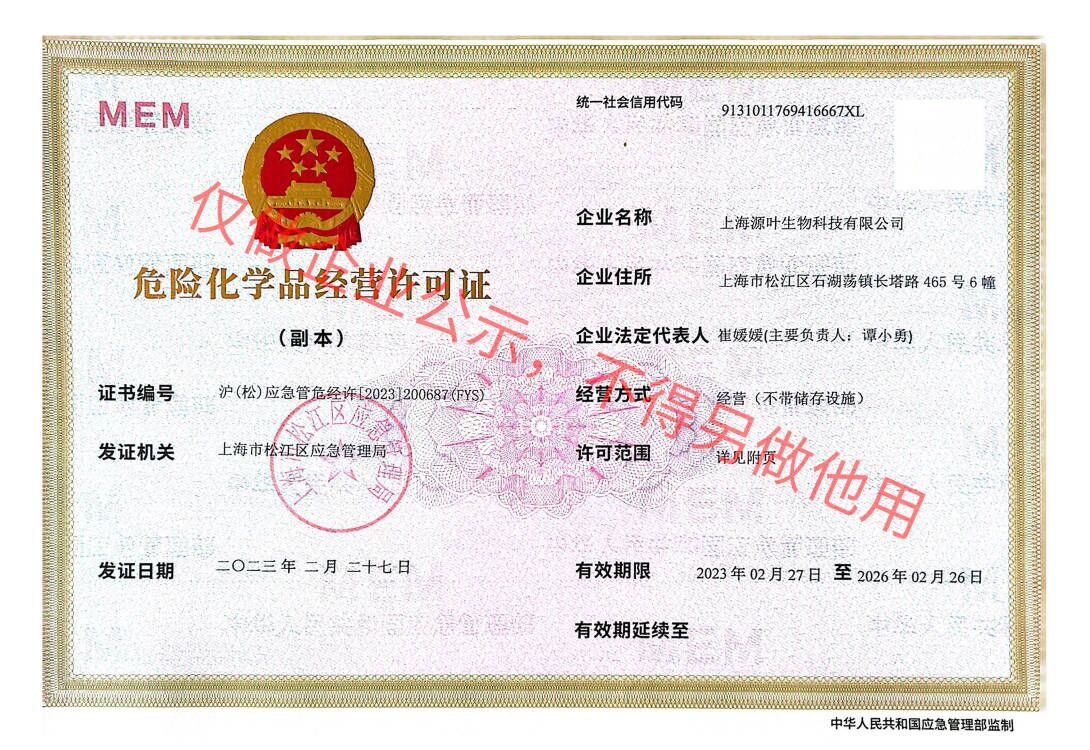 危险品化学品经营许可证(不带存储)
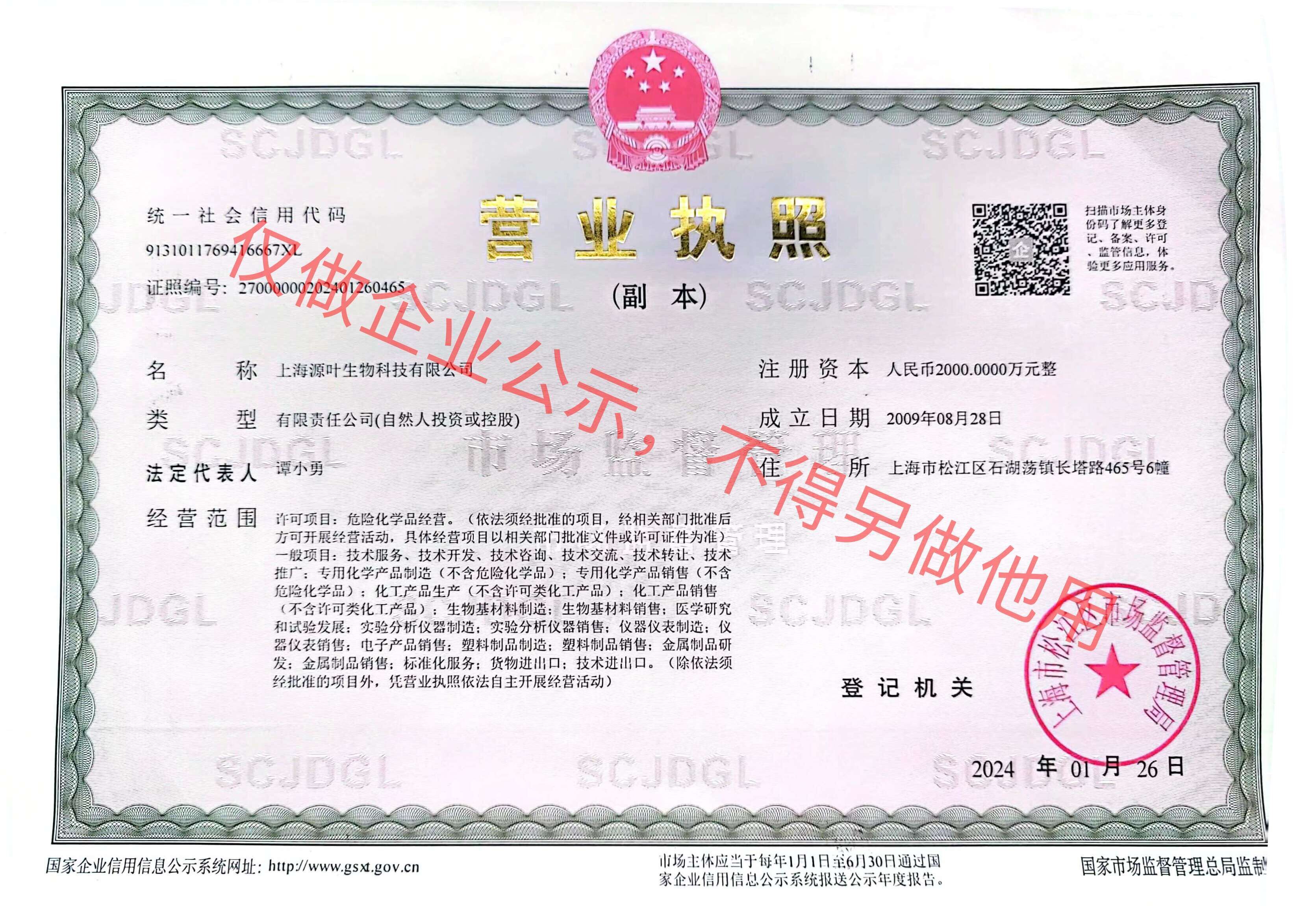 营业执照(三证合一)

 北京
北京