


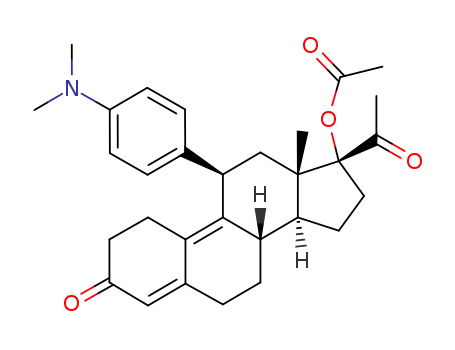
| 货号 | 规格 | 价格 | 上海 | 北京 | 珠海 | 重庆 | 武汉 | 购买数量 |
|---|---|---|---|---|---|---|---|---|
T93214-1ml促销 |
10mM in DMSO | ¥480.00 ¥432.00 |
9 | - | - | - | - |
|
| 体内研究: | Ulipristal and CDB-4124 have significant antiprogestational activity in vivo. Ulipristal acetate decreases incidences of fibroadenomas and adenocarcinomas in the mammary gland in all treated groups. Ulipristal acetate exposure [AUC(0-24h)] at the highest dose in rats is 67 times human therapeutic exposure at 10 mg/day. In mice, no tumor of any type increases at Ulipristal acetate exposures up to 313 times of therapeutic exposure. Ulipristal acetate-related findings in mice are limited to organ weight changes in the liver, pituitary, thyroid/parathyroid glands, and epididymis as well as minimal panlobular hepatocellular hypertrophy in male and female mice receiving 130 mg/kg/day. Ulipristal acetate (1 mg/kg and 5 mg/kg) increases the frequency with which pathologists assessed the endometrium as being thickened compared to controls in a dose-dependent manner. There is a slight decrease in secretory differentiation with increasing dose of Ulipristal acetate, with small decreases in frequency of sub- and supra-nuclear vacuolation. |
||||||||||||||||||||
|---|---|---|---|---|---|---|---|---|---|---|---|---|---|---|---|---|---|---|---|---|---|
| 保存条件: | -80℃(运输条件:冰袋低温运输) | ||||||||||||||||||||
| 配置溶液浓度参考: |
|
||||||||||||||||||||
| 注意: | 部分产品我司仅能提供部分信息,我司不保证所提供信息的权威性,仅供客户参考交流研究之用。 |


 上海工商
沪公网安备 31011702002021号
上海工商
沪公网安备 31011702002021号
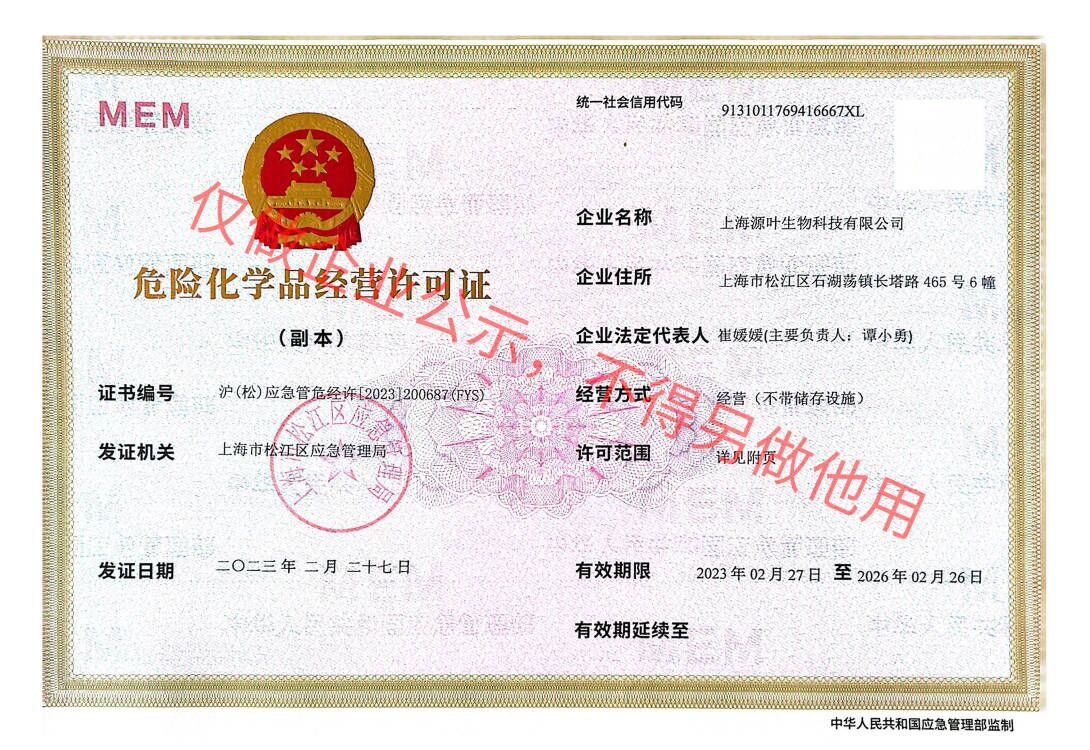 危险品化学品经营许可证(不带存储)
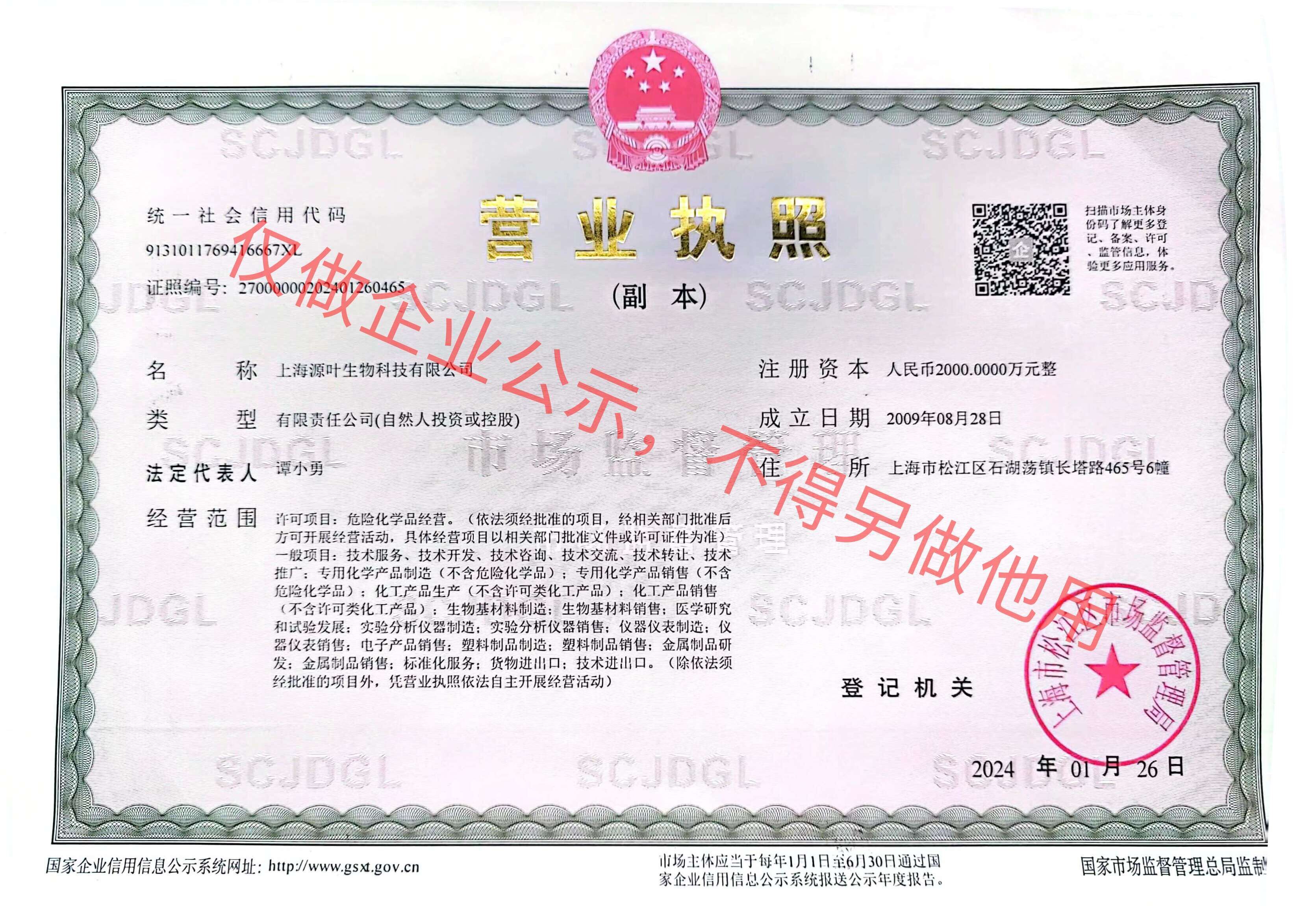 营业执照(三证合一)

 北京
北京