



| 货号 | 规格 | 价格 | 上海 | 北京 | 珠海 | 重庆 | 武汉 | 购买数量 |
|---|---|---|---|---|---|---|---|---|
V45054-1mg |
≥98% | ¥8990.00 |
货期:3-5天 | - | - | - | - |
|
V45054-5mg |
≥98% | ¥19800.00 |
货期:3-5天 | - | - | - | - |
|
| 产品描述: | ARD-61 is a highly potent, effective and specific PROTAC androgen receptor (AR) degrader. ARD-61 potently and effectively induces AR and progesterone receptors (PR) degradation in AR+ cancer cell lines. ARD-61 induces apoptosis and effectively induces tumor growth inhibition in the MDA-MB-453 xenograft model in mice. ARD-61 is a click chemistry reagent, it contains an Alkyne group and can undergo copper-catalyzed azide-alkyne cycloaddition (CuAAc) with molecules containing Azide groups. | ||||||||||||||||||||
|---|---|---|---|---|---|---|---|---|---|---|---|---|---|---|---|---|---|---|---|---|---|
| 体外研究: | ARD-61 binds to AR protein through its AR antagonist portion and von Hippel-Lindau (VHL)/cullin 2 E3 ligase through its VHL ligand portion to recruit AR protein to cullin 2 for ubiquitination, followed by proteasome-dependent AR degradation. ARD-61 (0.001-100 μM; for 7?days) has IC50 values of 235?nM and 121?nM in the MDA-MB-453 and HCC1428 cell lines, which have the highest AR expression, respectively. ARD-61 demonstrates partial cell growth inhibition, delivering IC50 values of 39, 147, and 380?nM, respectively, in the MCF-7, BT-549 and MDA-MB-415 cell lines, which have a moderate level of AR protein. ARD-61 (25-100000 nM; 6-72 h) induces G2/M cell cycle arrest in a dose- and time-dependent manner in each of these three AR+ breast cancer cell lines. ARD-61 (25-100000 nM; 72 h) induces apoptosis in the MDA-MB-453 and HCC1428 cell lines. ARD-61 (0.01-1000 nM; 6 h) is highly potent and effective in reducing AR protein levels. ARD-61 (0.01-1000 nM; 24 h) reduces the level of PR protein with a DC50 value of 0.15?nM in the T47D cells. ARD-61 has no obvious effect on ER and GR proteins. ARD-61 (1?μM; for 24?h) effectively inhibits Wnt/β-catenin and MYC signaling pathways. ARD-61 (1-1000?nM; for 24?h) not only decreases both phosphorylated HER2 and HER3, but also un-phosphorylated HER2 and HER3 proteins. Efficient knock-down of VHL completely blocks AR degradation induced by ARD-61 (100?nM; 24 h) in both MDA-MB-453 and MCF-7 cell lines. |
||||||||||||||||||||
| 保存条件: | -20°C | ||||||||||||||||||||
| 配置溶液浓度参考: |
|
||||||||||||||||||||
| 注意: | 部分产品我司仅能提供部分信息,我司不保证所提供信息的权威性,仅供客户参考交流研究之用。 |


 上海工商
沪公网安备 31011702002021号
上海工商
沪公网安备 31011702002021号
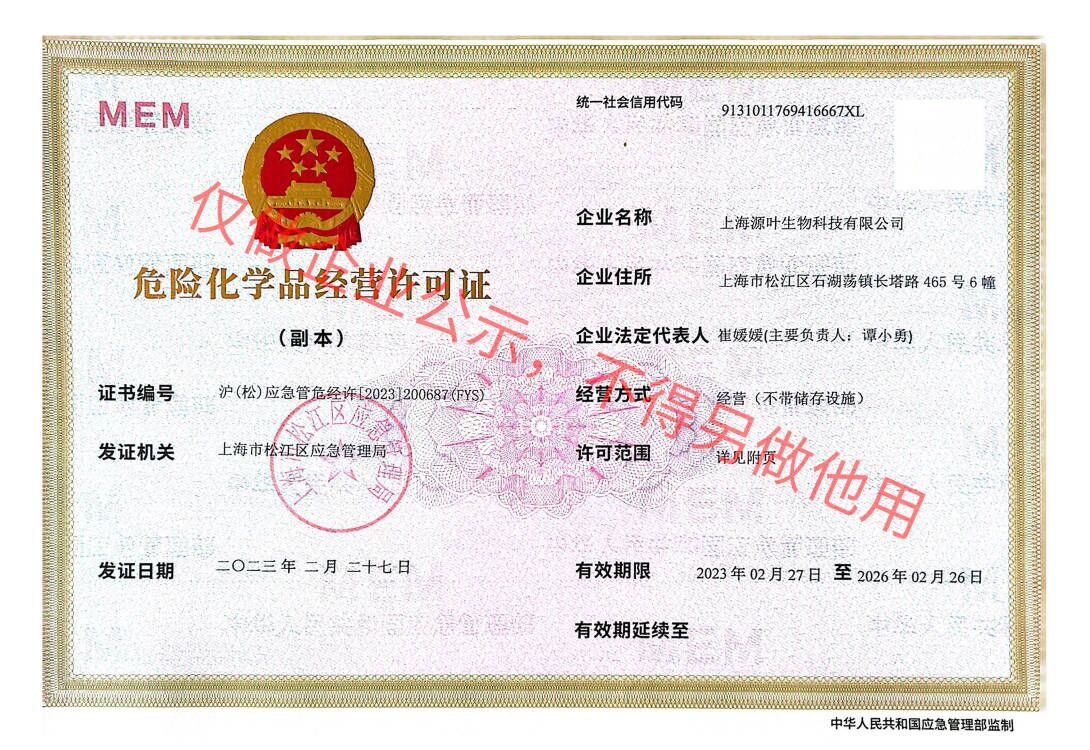 危险品化学品经营许可证(不带存储)
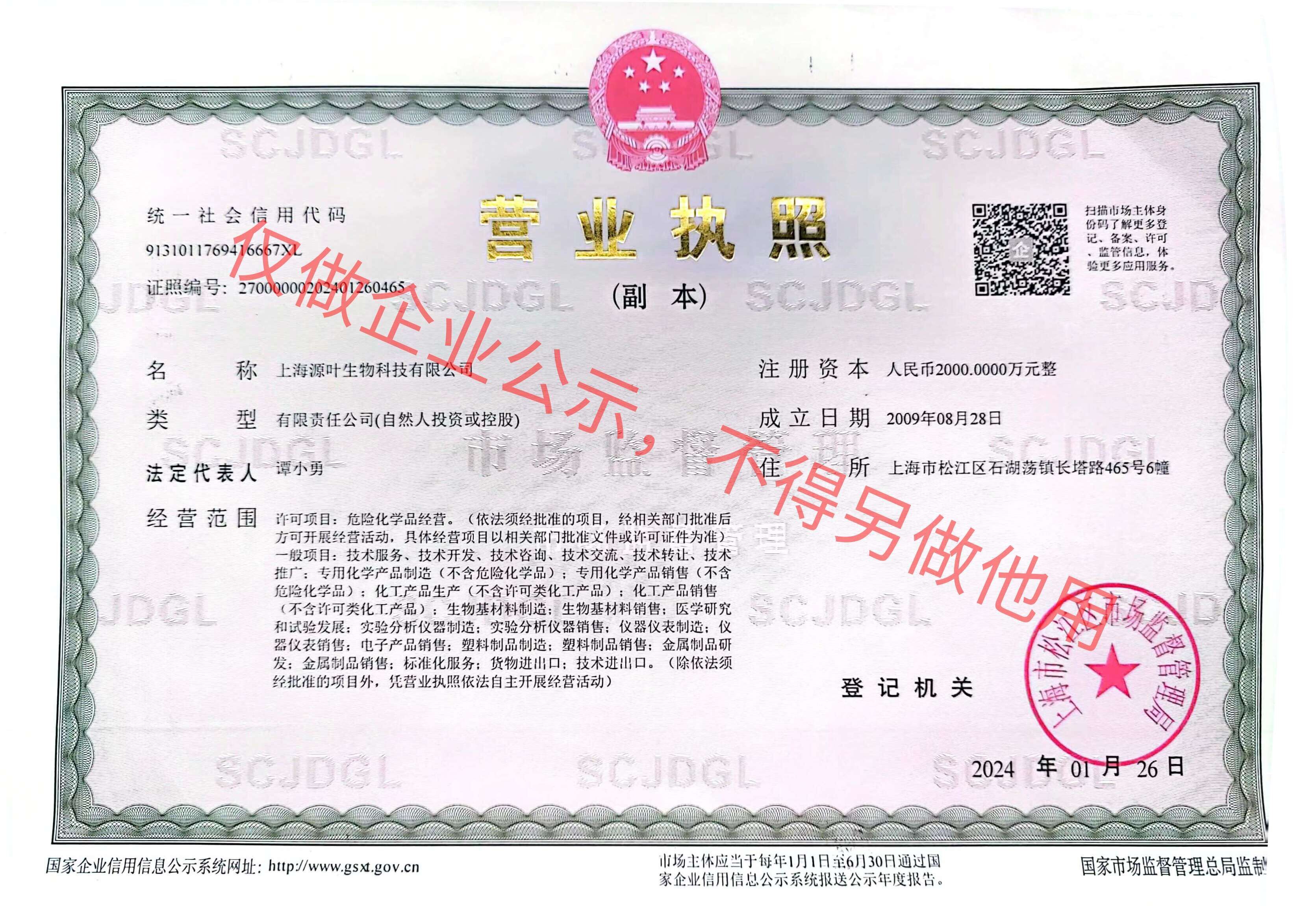 营业执照(三证合一)

 北京
北京