


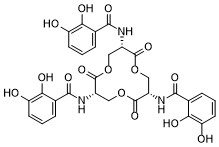
| 货号 | 规格 | 价格 | 上海 | 北京 | 珠海 | 重庆 | 武汉 | 购买数量 |
|---|---|---|---|---|---|---|---|---|
V49608-1ml |
10mM in DMSO | ¥3790.00 |
货期:3-5天 | - | - | - | - |
|
| 产品描述: | 一般描述 Enterobactin synthesis occurs via nonribosomal peptide synthetases. The precursor chorismic acid is converted to intermediates isochorismate, 2,3-dihydro-2,3-dihydroxybenzoate and 2,3-dihydroxybenzoic acid (DHB). Final step involves the DHB and L-serine amide linkage. A total of six enzymes (ent A −F) mediate enterobactin biosynthesis.
This preparation of enterobactin is not bound to iron and will bind to Fe3+ and Fe2+ in solution.
生化/生理作用
Iron mobilization and uptake by microbes is mediated by low molecular weight complexing agents named siderophores. Enterobactin is a catechol (a benzenediol, C6H4(OH)2) type siderophore produced in small quantities by Escherichia coli and related enteric bacteria when grown on iron deficient media, and is one of the most powerful ferric ion complexing agents known. Enterobactin is a very effective sequestering agent for iron, able to remove iron from proteins, insoluble iron complexes, and other siderophores. Studies of the chemistry, regulation, synthesis, recognition, and transport of enterobactin make it the best-understood siderophore. |
||||||||||||||||||||
|---|---|---|---|---|---|---|---|---|---|---|---|---|---|---|---|---|---|---|---|---|---|
| 参考文献: | 1. Saha P, et al. The bacterial siderophore enterobactin confers survival advantage to Salmonella in macrophages. Gut Microbes. 2019;10(3):412-423. 2. Peralta DR, et al. Enterobactin as Part of the Oxidative Stress Response Repertoire. PLoS One. 2016 Jun 16;11(6):e0157799. |
||||||||||||||||||||
| 溶解性: | Soluble in DMSO | ||||||||||||||||||||
| 保存条件: | -80℃(运输条件:冰袋低温运输) | ||||||||||||||||||||
| 配置溶液浓度参考: |
|
||||||||||||||||||||
| 注意: | 部分产品我司仅能提供部分信息,我司不保证所提供信息的权威性,仅供客户参考交流研究之用。 |


 上海工商
沪公网安备 31011702002021号
上海工商
沪公网安备 31011702002021号
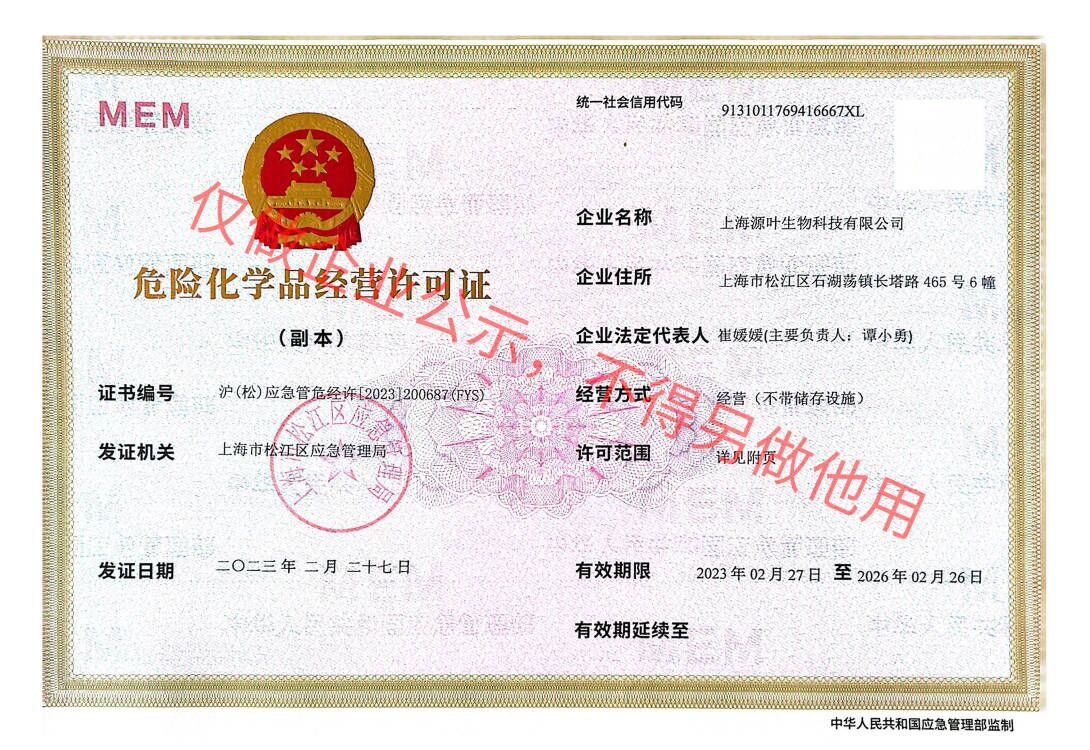 危险品化学品经营许可证(不带存储)
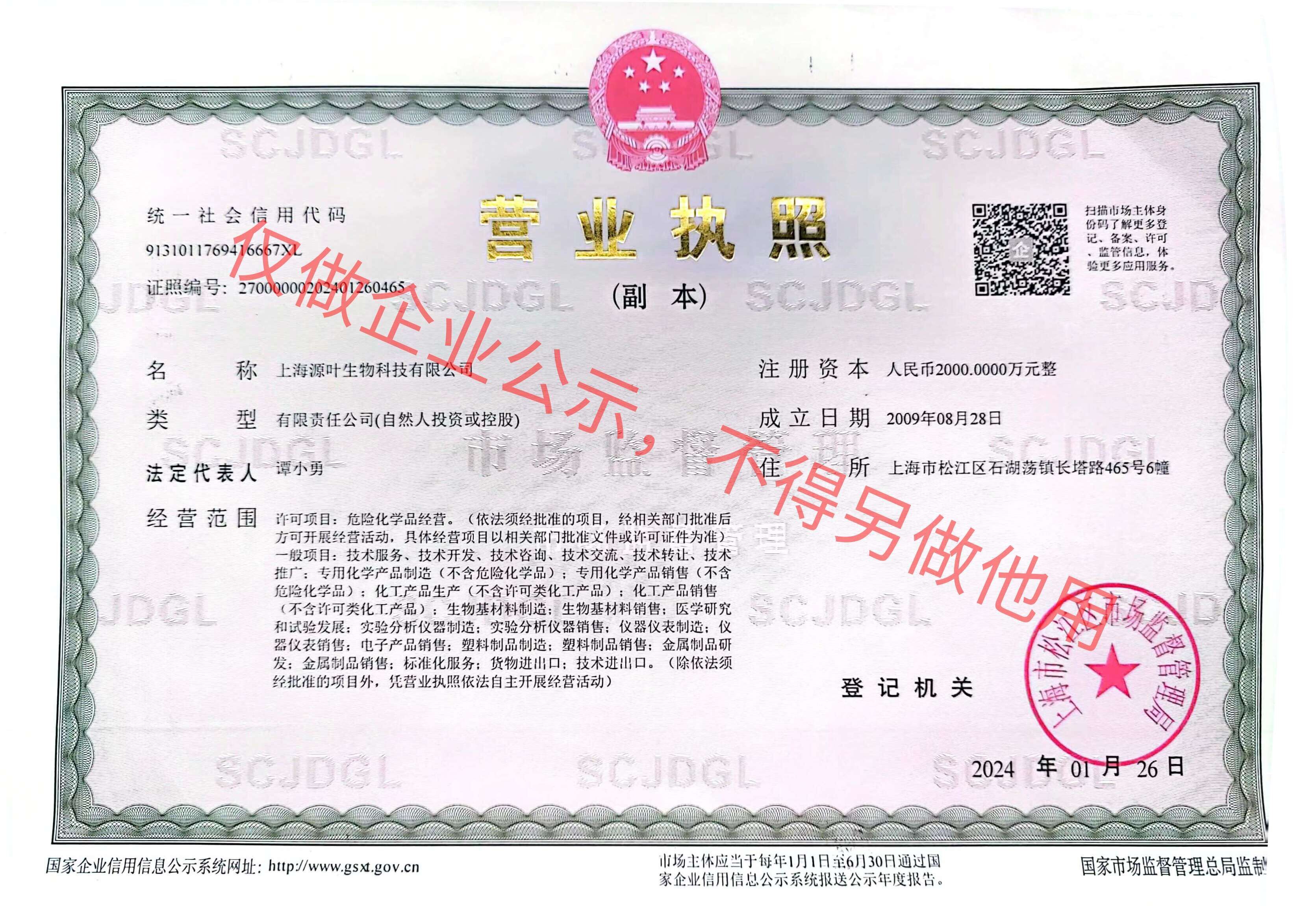 营业执照(三证合一)

 北京
北京